
We offer financing, learn more!
Paths That Direct Foot Traffic Year-Round
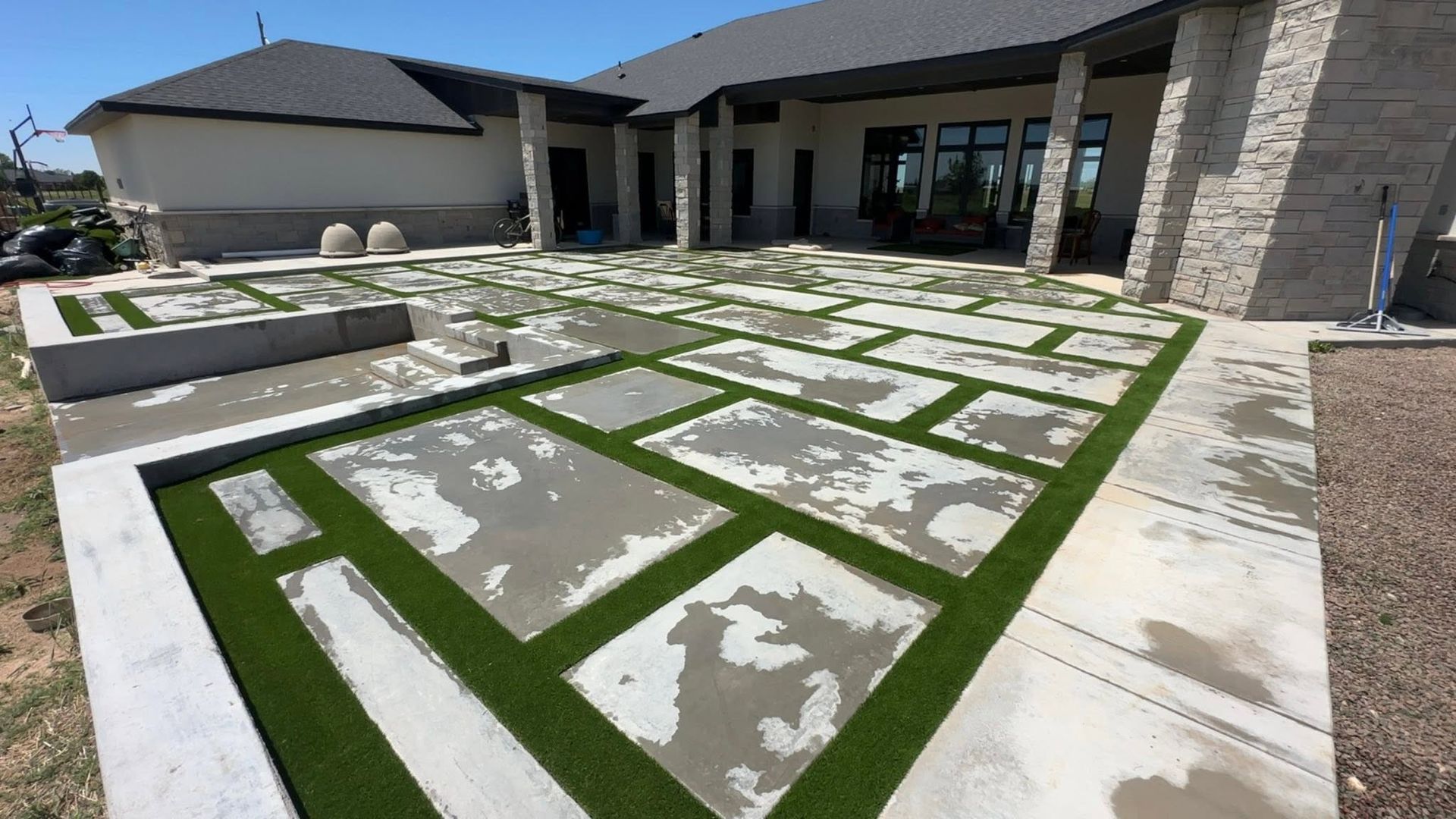
Stone Path installation in Lubbock for properties needing defined walkways that handle weather exposure
Foot traffic wears grass down to dirt in high-use areas, and mud becomes a problem during wet weather. Stone walkways create permanent routes across residential and commercial properties, with surfaces that drain quickly and stay intact through seasonal temperature swings. Texas Turf & Putt installs stone paths in Lubbock using materials selected for traction and durability in the region's dry climate with occasional heavy rain events.
Installation begins with marking the path route and excavating to a depth that accommodates both base material and stone thickness. A compacted gravel base provides drainage and prevents settling, while edge restraint keeps stones from migrating laterally under foot pressure. Stone is set with joints that allow water to pass through rather than pooling on the surface.
Arrange an on-site consultation to map optimal path routes for your property layout.
How Stone Walkways Address Foot Traffic
Stone type affects slip resistance and maintenance needs, with textured surfaces providing better traction when wet than smooth finishes. Joint spacing determines how quickly water drains, and wider joints filled with permeable material prevent runoff from concentrating at path edges where it can erode surrounding soil.
Once the path is complete, you see foot traffic naturally follow the stone route instead of cutting across planted areas, and the surface remains firm and clean even after rain when surrounding ground turns muddy. Grass and landscaping near the path edges stay healthier because compacted soil from repeated foot traffic no longer affects root growth in those zones.
Path width depends on use, with residential walkways typically running three to four feet and commercial paths wider to accommodate bidirectional traffic. Curves require smaller stones or cut pieces to maintain joint consistency, and lighting considerations affect placement relative to building entries.
What Property Owners Usually Ask
Questions about stone paths typically focus on material choices, drainage function, and how the walkway integrates with existing landscaping features.
What stone types work best for walkways?
Flagstone and limestone are common choices for Lubbock paths because both offer natural slip resistance and handle the temperature fluctuations without cracking, while sandstone can erode faster under repeated foot traffic and weather exposure.
How does the base prevent the path from sinking?
A compacted gravel base distributes weight across a wider area than the stone footprint alone, and the gravel allows water to drain downward instead of softening the soil directly beneath the path.
When should a stone path curve versus run straight?
Curves work well around obstacles like trees or garden beds and create visual interest, but straight paths reduce material waste and installation time when connecting two points without intervening features.
What happens to weeds between the stones?
Joint material can be gravel, decomposed granite, or polymeric sand, with each option affecting weed growth differently—gravel allows some weed intrusion but drains fastest, while polymeric sand hardens to block weeds but requires reapplication over time.
How wide should a functional walkway be?
Residential paths handling single-file traffic function at three feet, while paths meant for two people side by side need at least four feet, and commercial walkways often run five feet or wider depending on traffic volume.
Texas Turf & Putt designs and installs stone pathways that direct foot traffic and improve property access for both residential and commercial sites. Request a detailed estimate based on your current property layout and foot traffic patterns.