
We offer financing, learn more!
Outdoor Spaces Built for Daily Use
Patios in Lubbock for properties needing durable outdoor surfaces that handle furniture and foot traffic
Lubbock's wide temperature swings between summer heat and winter freezes make material selection and base preparation critical for patio longevity. Stone patios installed with proper drainage and compacted bases remain level and functional through years of seasonal changes, while poorly prepared surfaces crack or settle unevenly within a few seasons. Texas Turf & Putt provides hardscaping patio services for both commercial and residential properties, using stone that withstands UV exposure and temperature stress without degrading or requiring frequent maintenance.
The process involves excavating to a depth that removes organic soil, installing a gravel base compacted in lifts, and setting stone on leveling sand or directly on the base depending on stone type and project requirements. Edge restraint prevents lateral movement, and slope is built into the base to direct water away from adjacent structures.
Schedule a property evaluation to identify patio size and placement options for your site.
What You Notice Once Stone Patios Are Finished
Stone choice affects heat retention and texture underfoot, with lighter-colored stones reflecting more sunlight and staying cooler during summer afternoons. Thickness determines load capacity, so patios intended for heavy furniture or grills require stones at least two inches thick to avoid cracking under concentrated weight.
After completion, the patio surface stays level under furniture legs without rocking or sinking, water drains off the surface within minutes of rain rather than pooling in low spots, and the stone remains intact through freeze-thaw cycles that would crack concrete poured without control joints. Outdoor furniture arrangements stay in place because the stone provides a stable, non-shifting base that doesn't develop ruts or uneven areas from repeated use.
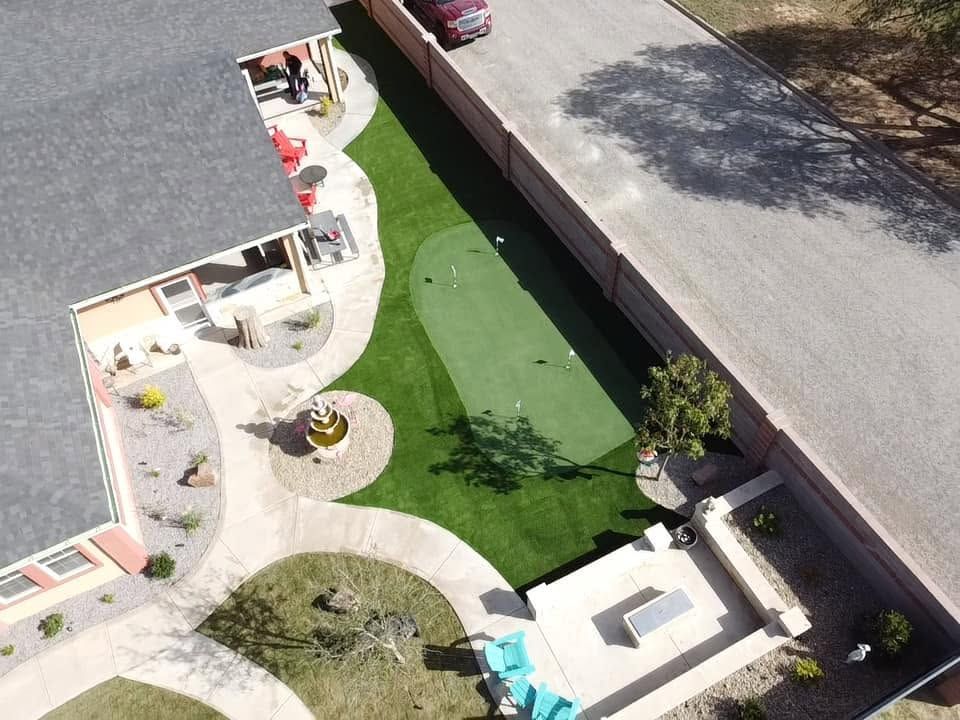
Patio size and shape depend on intended use, property layout, and how the space connects to building entries or other outdoor features. Seating walls or fire pit surrounds can be integrated during construction, and joint material selection affects both drainage speed and weed growth between stones.
Answers to Frequent Service Questions
Property owners considering stone patios typically ask about material durability, drainage design, and how the surface performs under furniture and weather exposure.
What makes a stone patio more stable than other surfaces?
The compacted gravel base distributes weight and allows drainage, preventing the soil saturation and freeze-thaw heaving that cause concrete slabs to crack or shift over time.
How does the patio handle water after heavy rain?
Slope built into the base directs water away from the house or building, and joints between stones allow water to drain through the surface rather than running off in sheets that can erode surrounding landscaping.
When should a patio include a border or edge restraint?
Every patio needs edge restraint to prevent stones from migrating outward under foot traffic and temperature expansion, with options including buried concrete, metal edging, or a soldier course of stone set in a rigid base.
What stone thickness works for furniture and grills?
Stones at least two inches thick handle concentrated loads from furniture legs and grill stands without cracking, while thinner stones work for foot traffic only and risk breaking under point loads.
How does stone perform in Lubbock's temperature range?
Natural stone expands and contracts at rates that rarely cause cracking, unlike concrete which requires control joints to manage thermal movement, and stone surfaces handle UV exposure without fading or degrading the way some manufactured pavers can.
Texas Turf & Putt builds stone patios for residential and commercial properties that need outdoor surfaces capable of handling daily use and seasonal weather changes. Request a detailed consultation to review stone options and patio design for your property's specific conditions.